EU ↔ UK
A deeply integrated neighbouring corridor where regulatory divergence, workforce, supply chains and transaction structures need continuous attention. For most businesses this is not a new market. It is a model to keep working as the rules move.
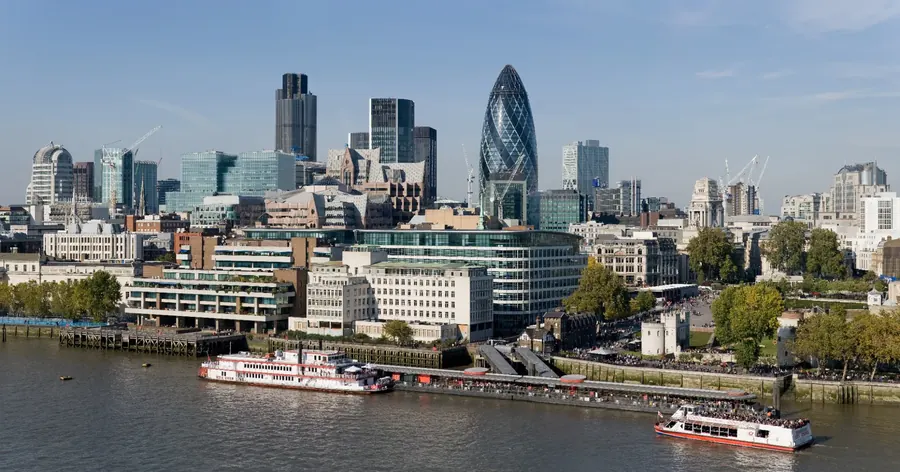
EU and UK business is still dense, but it no longer runs on one rulebook. The work is knowing exactly where divergence matters.
Goods, services, people, data, tax, customs and regulated activities each create their own friction points. The strongest operating models find exactly where the rules now differ and avoid adding complexity where they do not.
For many businesses this is not a new-market problem but a re-engineering problem: how to keep an existing cross-border model efficient as regulations, customs requirements and sector rules keep changing.
What moves across the corridor, and in which direction.
Four views, one decision.
Not every change in the corridor needs a response. These four views show where divergence actually costs time, money or access.
Identify the specific rules that have diverged, rather than assuming wholesale separation.
Design goods flows around classification, origin, VAT and border process.
Map licensing, establishment and client-delivery limits for regulated and professional services.
Align immigration, employment, mobility and permanent-establishment questions before people move.
Five ways a business moves through the corridor.
The order is not fixed. A company may start with a customs problem, a transaction, a licensing question or a need for a particular adviser.
Find the actual friction in the current operating model.
Adjust goods, contracts, people or data flows.
Add an entity or a base only where it solves a real problem.
Plan acquisitions and partnerships around regulatory realities.
Watch divergence and update the model before friction becomes failure.
The obvious answer is often incomplete.
Four recurring questions where a joined-up view across commercial, legal, finance, tax and operations changes the outcome.
The practical impact of divergence varies dramatically by industry. A general answer rarely fits a regulated sector.
Small customs, VAT, workforce and contracting frictions compound quickly across high-volume business.
More entities do not automatically mean more resilience. Each one adds governance, tax and reporting weight.
The operating rules continue to evolve, so the corridor needs watching, not a one-time fix.
Three sessions, already scheduled.
WED
WED
WED
Your first four attended sessions are complimentary. Up to 12 business leaders per session; the waitlist opens when places are confirmed.
One lead. Five on call.
Each institution joins the corridor where its mandate answers the question. None presents; each answers.
Participation follows relevance, not a directory.
Divergence lands differently in each industry, so the same corridor raises different questions in each sector.
About this corridor.
Usually not. Most businesses here already work across the EU and the UK. The sessions focus on keeping that model efficient as rules, customs and sector requirements change.